


Building Resilience as a Nurse Educator: Three Evidence-Based Strategies for Thriving in Your Role
Updated: Aug 12, 2025
By Bridgette Bryan, DNP, MS, RN
Nurse educators face unique challenges in today's rapidly evolving healthcare landscape. From adapting to new teaching technologies and methods to supporting students through increasingly complex clinical environments, the demands on nursing faculty continue to intensify. Recent research reveals that building resilience—the ability to bounce back from adversity and grow stronger through challenges—is crucial not only for personal well-being but also for creating effective learning environments that prepare the next generation of nurses.
Resilience isn't a fixed trait—it's a skill that can be developed and strengthened through intentional practices. Here are three evidence-based strategies that can help nurse educators build resilience and thrive in their important, sometimes demanding, and ultimately rewarding roles.
Strategy 1: Practice Intentional Self-Care
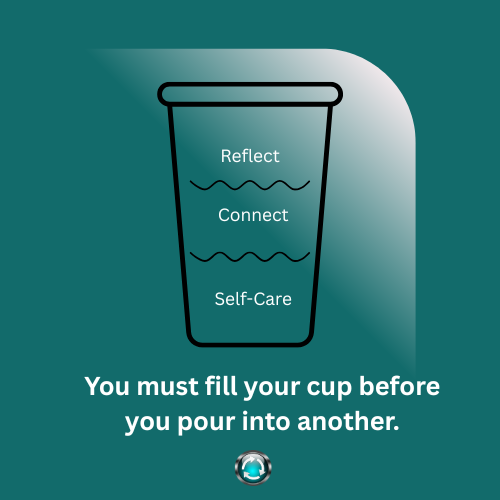
Why It Matters
Self-care isn't selfish—it's essential for sustainable excellence in healthcare and nursing education. Nurses spend their careers teaching clients the importance of self-care, and nurse educators spend their careers reminding students of the importance of self-care. A reflective question to consider is, “Do I practice self-care the way I teach self-care?” When nurse educators become overly accustomed to devoting time to caring for others, a pause must be taken and a reminder given: Practicing self-care is important for every nurse educator because every nurse educator is extremely important!
Practical Implementation
Effective self-care for nurse educators encompasses multiple dimensions:
Physical Self-Care: Regular exercise, adequate sleep (7-9 hours), nutritious meals, and staying hydrated. Consider incorporating movement into your day between classes or during breaks.
Emotional Self-Care: Mindfulness techniques, including three-minute breathing exercises that can be practiced anywhere, anytime, are perfect for hospital and academic environments. Practice self-compassion by treating yourself with the same kindness, understanding, and care that you would naturally offer to a student, especially during challenging days.
Professional Self-Care: Setting boundaries with work hours, taking vacation time, and pursuing professional development that energizes rather than drains you.
Social Self-Care: Maintaining relationships outside of work and engaging in activities that bring joy and fulfillment.
Strategy 2: Connect with Colleagues and Build Support Networks
Why It Matters
Teaching can often feel isolating, but research consistently shows that strong collegial relationships are protective against burnout and essential for building resilience. Research demonstrates that caring relationships and an educational culture of trustworthiness promotes the development of resilience.
Recent studies highlight the power of peer support and colleague connections:
A 2020 study on peer support programs found that 47% of nurses reported improved ability to work with confidence, 65% felt better after using peer support, and 70% found peer support programs helpful.
Systematic reviews of workplace interventions show that peer networks and collaborative approaches significantly improve well-being and reduce burnout among healthcare professionals .
Network analysis research in 2024 reveals deep connections between social support and reduced burnout among nursing professionals.
(All references listed at end of blog.)
Practical Implementation
Building meaningful colleague connections requires intentional effort:
Formal Support Networks: Join or create faculty support groups, participate in mentorship programs (both as mentor and mentee), and engage in professional nursing education organizations.
Informal Connections: Schedule regular coffee meetings with colleagues, participate in social events, and create informal check-in systems with trusted peers.
Collaborative Teaching: Team-teach when possible, share resources and teaching strategies, and engage in collaborative research or quality improvement projects.
Peer Support Programs: Implement three-tiered peer support networks that include departmental peer supporters, trained peer support teams, and access to mental health experts when needed.
Strategy 3: Engage in Regular Self-Reflection on Stress Triggers
Why It Matters
Self-reflection is defined as the individual's deliberate consideration of a particular experience, guided by the literature to gain insight, ultimately developing and improving practice. For nurse educators, understanding personal stress triggers and response patterns is crucial for building resilience and preventing burnout.
Research from the past five years consistently supports the value of reflective practices:
Self-reflection can help identify gaps in knowledge and the need for professional development.
Studies show that reflection builds upon sharing personal knowledge and experience to better understand the implications of one's care and explore alternatives.
A 2022 cross-sectional study found that nurses with higher perceived job stress experienced negative effects on their quality of life, highlighting the importance of identifying and addressing stress triggers early.
Practical Implementation
Develop a systematic approach to self-reflection:
Daily Reflection Practices: Use structured reflection tools like the WIN mnemonic (What went well, Issues or challenges, Next steps) to encourage regular self-reflection and self-evaluation.
Stress Trigger Identification: Keep a brief daily log noting:
Situations that increased your stress levels
Physical and emotional responses you experienced
Coping strategies you used (and their effectiveness)
Patterns that emerge over time
Weekly Deep Reflection: Set aside 30 minutes weekly to review your stress patterns and consider:
What specific situations consistently trigger stress?
How do you typically respond to these triggers?
What alternative responses might be more effective?
What support or resources do you need?
Structured Reflection Questions:
What teaching moments brought me the greatest satisfaction this week?
When did I feel most challenged, and what resources helped me navigate those challenges?
How did I support my students' learning and well-being?
What do I need to feel more confident and effective in my role?
The Interconnected Nature of Resilience
These three strategies work synergistically to build resilience. Research shows that nurses develop resilience through self-examination and want to improve their inner strength. Self-care provides the foundation for clear thinking and emotional regulation. Colleague connections offer external support and perspective. Self-reflection creates the awareness needed to continuously improve and adapt.
A learning culture characterized by trustworthiness appears to be a catalyst for developing resilience, and nurse educators have the unique opportunity to both benefit from and contribute to such cultures.
Moving Forward: Creating Your Resilience Plan
Building resilience is an ongoing process, not a destination. Start by choosing one strategy that resonates most with you and commit to practicing it consistently for 2-3 weeks before adding another. Remember that resilience and well-being are strongly correlated, and nurse educators should prioritize building resilience through personal practice.
As nurse educators, your resilience not only supports your own well-being but also models healthy coping strategies for your students and contributes to the positive culture of your educational institution. By investing in these evidence-based strategies, you're not just surviving the challenges of nursing education—you're thriving and helping to shape the future of nursing.
References
Kim, E. & Chang, S. (2022). Exploring nurse perceptions and experiences of resilience: a meta-synthesis study. BMC Nursing, 21(1), 1-12.
Connors, C. A., Dukhanin, V., March, A. L., Parks, J. A., Norvell, M., & Wu, A. W. (2020). Peer support for nurses as second victims: Resilience, burnout, and job satisfaction. Journal of Patient Safety and Risk Management. https://doi.org/10.1177/2516043519882517
Yang, Y., Bu, T., Peng, C., et al. (2024). Nurse burnout: deep connections and solutions revealed by network analysis. BMC Nursing, 23(1), 1-15. DOI: 10.1186/s12912-024-02190-7
Grech, J. (2021). Critical self-reflection for nurse educators: Now more than ever! Teaching and Learning in Nursing, 16(1), 89-91. DOI: 10.1016/j.teln.2020.09.001
Babapour A., Gahassab-Mozaffari, N., Fathnezhad-Kazemi, A. (2022). Nurses' job stress and its impact on quality of life and caring behaviors: a cross-sectional study. BMC Nursing, 21(1), 75. DOI: 10.1186/s12912-022-00852-y
Pappa, S., Barnett, J., Berges, I., & Sakkas, N. (2021). Tired, worried and burned out, but still resilient: A cross-sectional study of mental health workers in the UK during the COVID-19 pandemic. Psychiatry Research, 300, DOI: 10.3390/ijerph18094457


